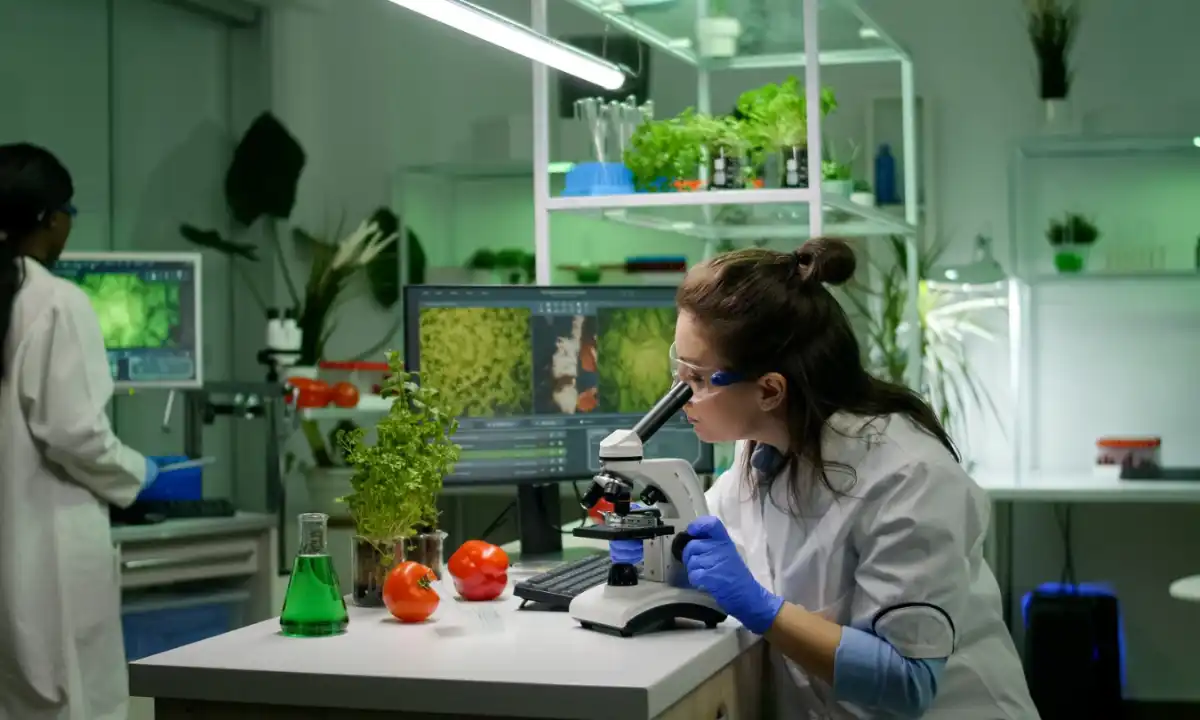
Step-by-Step Guide to Food Testing in UAE
Food testing in UAE often becomes confusing for businesses, especially when multiple approvals, documentation requirements, and compliance procedures are involved. Whether you are launching a new food product or planning market distribution, understanding how the testing process actually works can help avoid unnecessary delays and compliance issues later. Check the step-by-step guide below for a better understanding.
Why Proper Food Testing Matters for Businesses?
Proper food testing in UAE helps businesses avoid compliance issues, approval delays, and product safety concerns before products enter the market. From ingredient verification and hygiene checks to meeting UAE food safety regulations, every stage of testing plays an important role in maintaining product standards. It also supports consistency and overall food quality testing UAE requirements expected across the industry.
Step-by-Step Process of Food Testing in UAE
Here’s the step-by-step process that businesses must follow:
Identify the Food Category
The first step in food testing in UAE is identifying the category of the product. Different products such as packaged food, frozen items, beverages, dairy products, and processed food may follow different testing requirements and approval procedures.
Prepare Product Documentation
Make sure to collate all the documents before proceeding. This may include ingredient details, product labels, manufacturing information, nutritional data, and supporting certificates. Incomplete documentation is one of the most common reasons for delays during approvals.
Collect Product Samples
Proper sample collection is another important step. Samples should be packaged, labeled, and submitted correctly to avoid testing inconsistencies. Accurate sampling helps laboratories conduct reliable analysis and verification more efficiently.
Laboratory Testing and Analysis
This is the stage where the actual testing takes place. Depending on the product type, laboratories may conduct microbiological analysis, chemical testing, nutritional verification, and contamination checks. Businesses involved in food product testing UAE processes should ensure the testing facility follows approved standards and procedures.
Verify Labeling and Packaging Details
Before approvals are finalized, authorities also review packaging information and product labels carefully. Ingredient lists, nutritional values, expiry details, storage instructions, and language requirements must align with regulatory standards to avoid compliance issues or approval delays.
Review Compliance Standards
Once testing is completed, the product is reviewed against local compliance requirements. This stage helps verify whether the food product aligns with labeling standards, ingredient regulations, and overall UAE food safety regulations applicable within the market.
Receive Final Reports and Approvals
After successful testing and compliance verification, businesses receive final reports and approvals required for distribution or market entry. Proper documentation at this stage helps simplify future inspections and regulatory processes related to food testing in UAE.
Simplify Food Testing Processes
Many businesses face delays simply because they are unfamiliar with documentation requirements and approval procedures. Preparing paperwork early and understanding testing standards beforehand can make the process much smoother.
Working with experienced compliance experts also helps reduce confusion during approvals. Many businesses now prefer working with companies like Atoney to simplify documentation, testing coordination, and overall food testing in UAE procedures more efficiently. Having proper guidance throughout the process also helps businesses avoid repeated submissions, compliance errors, and unnecessary approval delays.
FAQs
Why is food testing in UAE important?
It helps businesses maintain product safety, meet compliance requirements, and ensure smoother approvals before products enter the market.
What is included in food product testing UAE?
Testing may include microbiological analysis, chemical testing, nutritional verification, contamination checks, and labeling reviews depending on the product category.
How do businesses comply with UAE food safety regulations?
Businesses can comply by following approved testing procedures, maintaining proper documentation, and ensuring products meet regulatory standards before distribution.
Summing Up
As discussed above, managing food testing in UAE requires proper documentation, compliance understanding, and accurate coordination throughout the process. At Atoney, our experts help businesses simplify approvals, testing procedures, and regulatory requirements to ensure a smoother and more efficient experience.