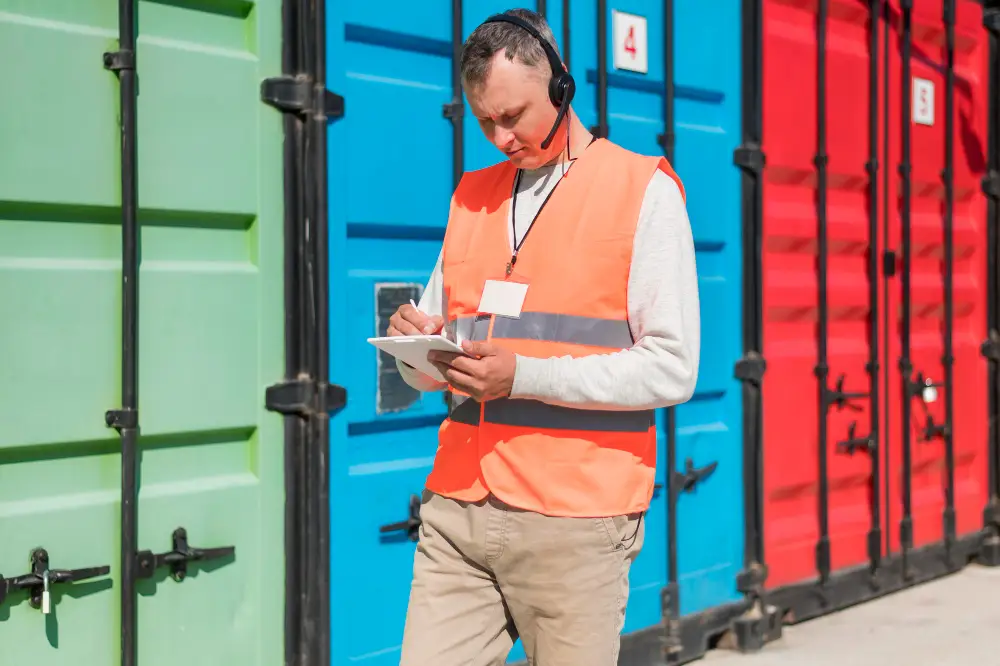
Is your container inspection compliant with CSC 1972 Convention requirements before it reaches Jebel Ali or Khalifa Port? Container damage, CSC plate non-compliance, and undetected PTI failures are among the most common causes of port rejection, cargo claims, and demurrage costs across UAE and GCC shipping routes. Atoney conducts container inspections against IICL (Institute of International Container Lessors) standards and ISO 1496 series specifications, covering structural integrity, refrigerated unit performance, CSC plate verification, and condition surveys for pre- and post-discharge documentation. Inspection reports are issued within 24 hours and accepted by major shipping lines, freight forwarders, and insurance underwriters operating across the UAE and GCC markets.
Shipping containers face extreme stress across their lifecycle heavy loads, port handling, saltwater exposure, and temperature fluctuation. Structural defects, floor rot, door seal failure, and hidden corrosion are common and routinely missed without a formal inspection. A single compromised container can cause cargo damage, customs delays, liability disputes, or injury.
Atoney’s safety inspection service in UAE addresses this directly. We verify structural integrity, CSC compliance, and condition before containers enter service so risks are identified before they become incidents.
What a documented container inspection protects you from:
- Cargo damage claims from undisclosed container defects
- Rejection at port due to CSC plate non-compliance
- Refrigerated cargo loss from undetected PTI failures
- Liability exposure from container-related workplace incidents
- Demurrage and detention costs caused by compliance failures at destination
Pre-Trip Inspection (PTI) – Reefer Containers: Full functional check of refrigerated units: temperature control systems, insulation integrity, power supply, door seals, and pre-cooling performance. Conducted before loading temperature-sensitive cargo including food, pharmaceuticals, and chemicals.
Structural and Safety Inspection: Physical assessment of container walls, roof, flooring, door hinges, locking rods, seals, and base rails. Inspectors identify corrosion, cracks, deformation, and any condition that affects load-bearing integrity.
CSC Plate and Compliance Verification: Confirming the container displays a valid Convention for Safe Containers (CSC) plate, that recertification dates are current, and that the unit meets ACEP (Approved Continuous Examination Programme) requirements where applicable.
Condition and Damage Survey: Pre-load and post-discharge damage surveys with photographic evidence, timestamped and formatted for insurance claims, shipping line disputes, or internal documentation.
On-Site and Port Inspections: Inspections carried out at container depots, Jebel Ali Port, Khalifa Port, warehouses, or client facilities scheduled around your operational timeline.
Container inspections at Atoney are conducted against IICL (Institute of International Container Lessors) standards, CSC 1972 Convention requirements, and ISO 1496 series specifications. Inspection reports include photographic documentation, defect classification by severity, and a pass/fail determination against the applicable standard.
Reports are issued within 24 hours of inspection and accepted by major shipping lines, freight forwarders, and insurance underwriters operating in the UAE and GCC markets.